TThrough a client project, I had the rare opportunity to encounter the culture of the Japanese tea ceremony. Its rituals, reverence for beauty, and appreciation of simplicity resonated deeply with my own design philosophy. The coexistence of refinement and humility, the acceptance of imperfection, and the careful framing of nature prompted me to reconsider what shapes meaningful living and how we perceive beauty.

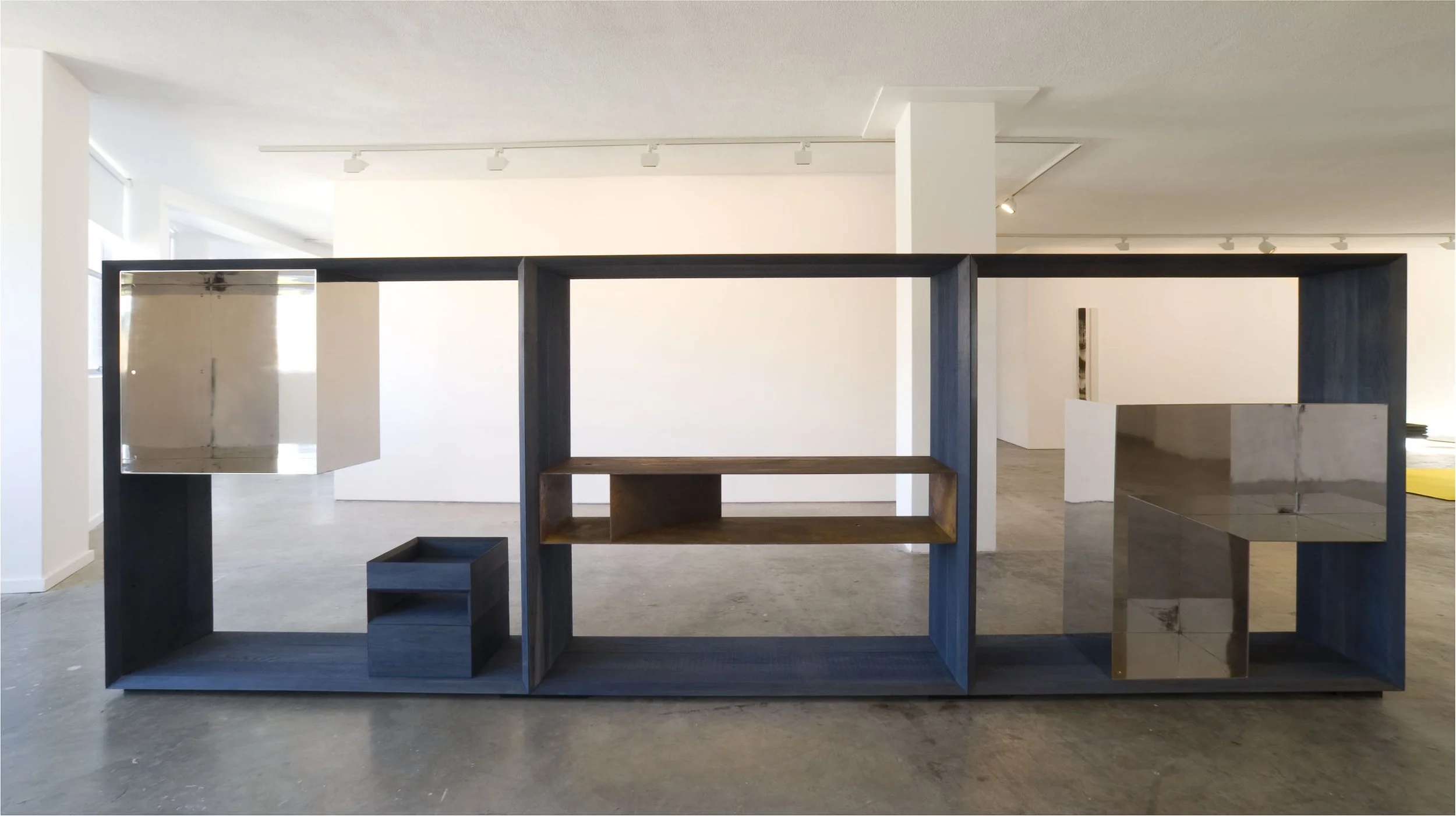
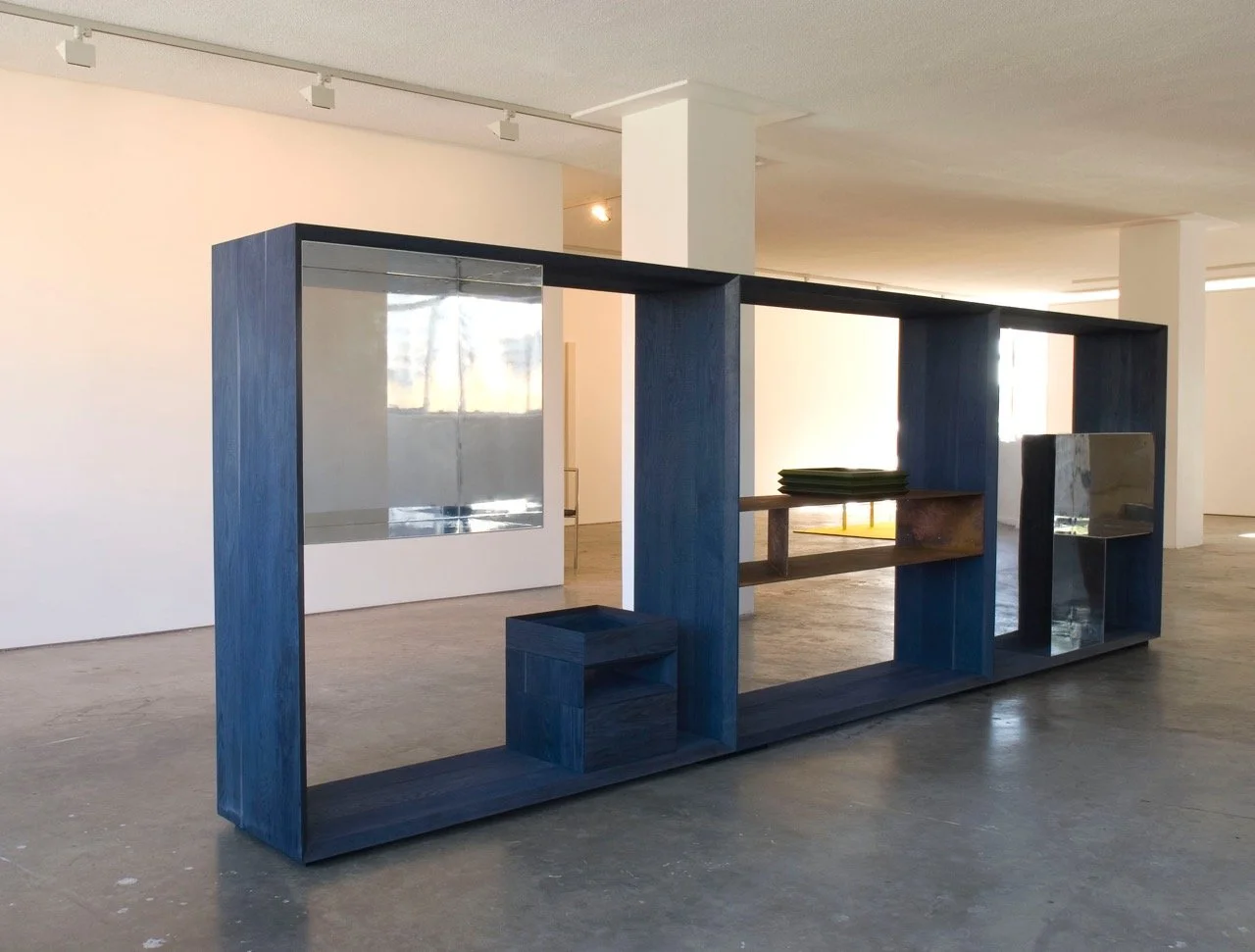
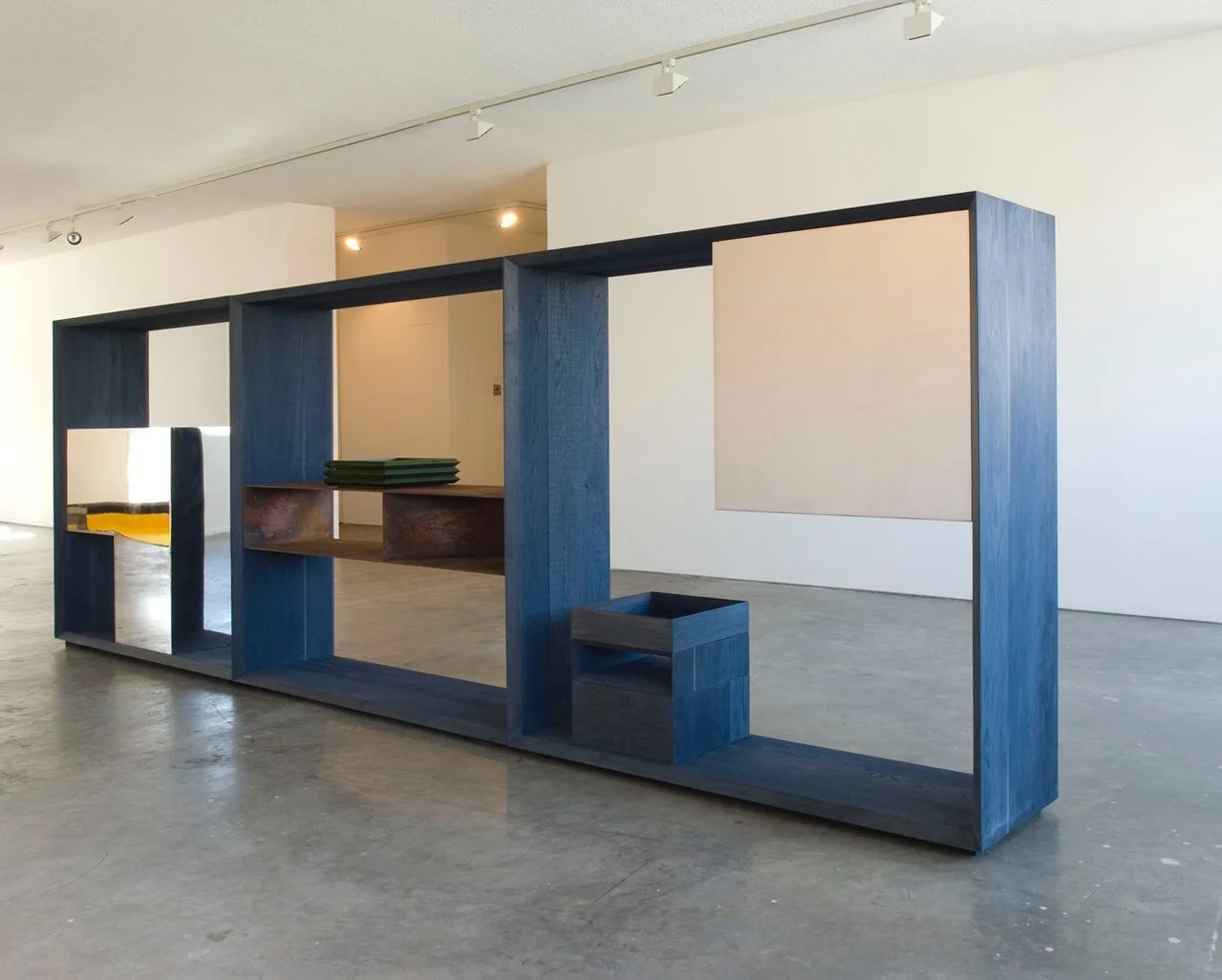
From these experiences, the idea of the contemporary tokonoma gradually emerged as a recurring element within my work. Traditionally found in Japanese interiors, the tokonoma is an elevated alcove reserved for contemplation. Often containing only a hanging scroll, an ikebana arrangement or a single object, it frames emptiness as a place for quiet reflection rather than display.

Repeated visits to Kyoto allowed me to study tea houses, tokonoma and Zen gardens firsthand. I observed their materials, construction and the subtle relationships between proportion, light and space. What first appeared simple revealed itself to be thoughtful and finely resolved.

These experiences reshaped my understanding of simplicity. What appears simple is often the result of deep knowledge, careful experimentation and exceptional craftsmanship. Designing with materials requires an understanding of their character and limitations, testing and refining until precision and irregularity exist in balance. This pursuit continues to inform my practice.


Materials:

Ebonised Solid Oak, Mirror Polished Stainless Steel and Oxidised Steel

Dimensions:

H 1500mm, W 4500mm, D 450mm